Learn to burn incense safely and easily and enjoy its scent for relaxation, focus, or ritual. Light the tip, let it glow, blow out the flame, and place the stick or cone in a proper holder to let it smolder – this simple method works for most types of incense.
Use a stable, heatproof holder and keep the area clear of drafts and flammable items so the ash falls safely. With a little care, you can choose scents that match your mood and burn them without worry.
Key Takeaways
- Choose the right holder and clear the area before lighting.
- Light until glowing, then let the incense smolder for best scent.
- Match scent and form to your purpose and use proper safety steps.
Understanding Incense and Its Types
What Is Incense?
Incense is plant material or resin that you burn to release a scented smoke. It often blends natural ingredients like wood powders, gums, essential oils, and resins such as frankincense or myrrh.
You can use incense for scent, focus, or ritual. The two main ways it’s made are as a solid paste around a core (sticks) or as raw resin pieces. Smoke profile, burn time, and soot vary by ingredient and form.
Health and safety matter. Natural incense tends to produce less chemical odor, but any smoke can irritate lungs. Burn in a well-ventilated room and keep away from children and pets.
Stick Incense
Stick incense is a thin rod made by coating a bamboo core with a paste of powdered herbs, wood, gum, and oils. It lights easily, gives a steady burn, and is the most common type for daily use.
You choose stick scents for meditation, cleaning a room, or masking odors. Burn time ranges from 20 minutes to an hour depending on stick thickness. Use a simple incense holder that catches ash and holds the stick upright.
Low-smoke and natural stick formulas reduce irritation. Look for labels that list ingredients. Avoid synthetic perfumes if you have allergies. Dispose of ash in a noncombustible container.


Cone Incense
Cone incense is shaped like a small pyramid that you light at the tip until it smolders. It burns faster and hotter than sticks, making it good for short sessions or when you want a stronger immediate scent.
Use cones on a flat, heatproof dish or specialized burner. Burn times range from 5 to 30 minutes depending on size. Cones often sit directly on heatproof sand or a ceramic plate to prevent scorching surfaces.
Cones can create a stronger, denser smoke plume than sticks. They work well for quick cleansing or ritual moments. Choose natural cones made from resin and wood powders for cleaner scent.

Trumiri Woody Incense Cones

Resin Incense
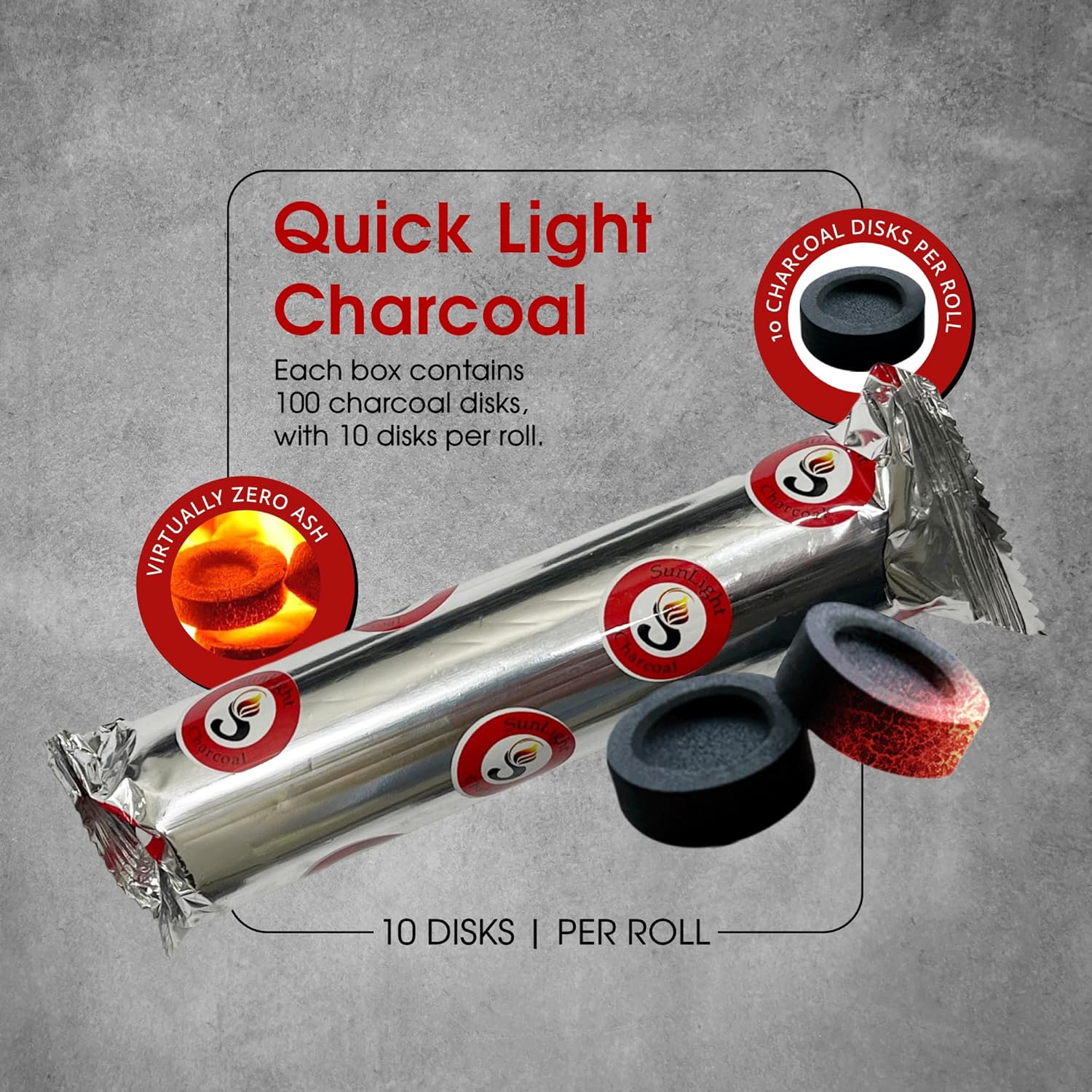
Resin incense is raw tree sap pieces, like frankincense or myrrh, that you place on hot charcoal to release aroma. Resin gives a complex, long-lasting scent and is common in traditional and spiritual practices.
You need charcoal discs and a heatproof censer or bowl filled with sand. Light the charcoal until it glows, then add small resin pieces. Resin melts and smolders, producing thick, aromatic smoke that can fill a large space.
Handle charcoal and hot tools carefully. Use well-ventilated areas and avoid breathing dense smoke directly. Resin is prized for its pure, layered fragrances and is often used in formal rituals or deep meditation.

Coil Incense
Coil incense is a spiral-shaped form that burns slowly from the outer tip toward the center. It gives very long burn times, often several hours to a day, making it ideal for temples, large rooms, or continuous scenting.
Hang coils from a hook or place them on a large metal stand designed to catch ash. Coils vary in thickness and diameter; larger coils burn longer. They produce a steady, low smoke suitable for extended ceremonies or background scent.
Coil materials may include powdered woods, gums, and essential oils. Choose natural coils for less chemical residue. Keep clearances from ceilings and curtains because coils emit slow, steady smoke.


Essential Tools: Incense Holders and Burners
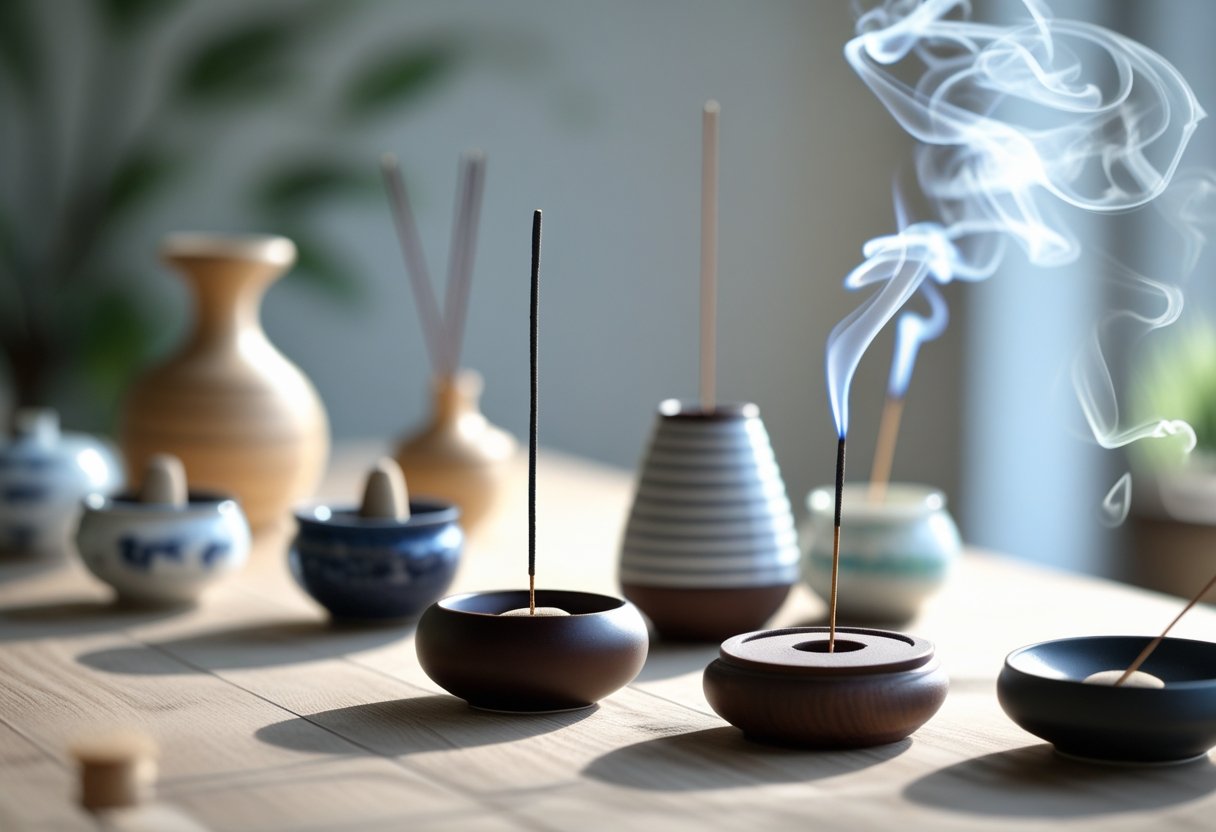
Choose a holder or burner that fits the type of incense you use and the surface you place it on. Pick heat-resistant materials and stable shapes to protect surfaces and keep ashes contained.
Incense Holders for Different Types
Match the holder to the incense form. For stick incense, use holders with a secure metal or ceramic pin or a slotted groove to hold the stick upright and catch ash. Horizontal stick holders work well for shorter sticks; vertical pins suit long, thin sticks.

For cones, use a shallow heat-safe dish or a cone-specific burner that supports the base and lets ash fall into a bowl. Resin and charcoal need a metal or ceramic censer with space for hot charcoal and a layer of sand or ash to hold embers.
If you burn multiple forms, keep separate holders to avoid cross-contamination of scents and to ensure each type sits at the right angle and distance from surfaces.
Choosing Heat-Resistant Materials
Pick materials that resist cracking, melting, or burning. Ceramic, metal (brass, stainless steel), glass, and stone withstand high heat and will not off-gas harmful fumes. Avoid plastics and low-grade woods for direct contact with embers.
Look for a stable base and non-slip feet if you place the burner on a table. If you use charcoal, choose a holder rated for live embers and that can hold sand or ash to spread heat. For indoor use, prefer materials that are easy to clean and do not absorb oils or resin.
Creative and Traditional Incense Holders
You can choose simple, functional designs or ornate, traditional pieces. Japanese koro burners, Tibetan censers, and Indian brass holders reflect cultural styles and often include lids or chains for safe handling. These traditional burners work well for resin and charcoal.
Modern holders include ceramic trays, wooden trays lined with a metal insert, and stone slabs. For a DIY option, use a shallow pottery dish with sand or lava rock to hold cones or charcoal; ensure the dish is heat-resistant. Decorative holders should still follow safety rules: stable, non-flammable, and able to contain ash and embers.


GARMOLY Incense Incense Holder for Sticks
Step-by-Step: How to Burn Incense Safely
Learn the key safety steps: prepare a stable, non-flammable surface; light and fully secure the incense; keep good airflow without direct drafts; and discard cool ash and charcoal safely.
Preparing Your Space
Choose a flat, heatproof surface such as ceramic, metal, or stone. Place an appropriate holder that fully catches ash—use a long dish for sticks, a cone tray for cones, or a metal bowl for charcoal discs and resin. Clear at least 1–2 feet around the holder of paper, fabric, curtains, and plants.
Keep a small fire extinguisher or a lidded metal container with sand or water within reach. If you use loose resin or charcoal discs, lay down foil or use a fireproof censer to prevent embers from contacting the surface. Supervise burning at all times; never leave burning incense unattended.
Lighting and Extinguishing Techniques
For sticks and cones, hold the tip in the flame until it glows, then gently blow out the flame to leave a steady ember and smoke. If the ember sputters, relight and stabilize before leaving it. For charcoal discs, light with tongs over a stove or lighter until the edge glows red and add resin on top only after the disc is fully lit and ashy.
To extinguish, smother the ember in sand, a fireproof container, or press the tip into a heatproof surface until smoking stops. Do not use water on hot charcoal discs—cool them in sand or a metal container instead. Confirm no smoldering remains before leaving the area.
Proper Ventilation and Placement
Place incense away from open windows where wind can blow embers into flammable items. Aim for indirect airflow: a slightly open window or ceiling fan on low helps dilute smoke without strong drafts. Keep burning incense at least 6–10 feet from sleeping areas and away from children and pets.
If you or others have breathing issues, choose low-smoke options like high-quality stick blends or electric incense warmers. In small rooms, limit burn time to 10–20 minutes and open a window afterward. Monitor smoke buildup and reduce use if you notice lingering odors or irritation.
Safe Disposal of Ash
Wait until ash and charcoal are completely cool—this can take 20–60 minutes depending on size. Scoop ashes into a metal or heatproof container; do not dump still-hot embers into plastic, paper, or compost bins. For charcoal discs, let them cool inside the censer and then wrap in foil before trashing.
If ash is cold, you can dispose of it with regular trash or sprinkle small amounts in soil if the material is natural and free of additives. Clean your holder regularly to remove residue that can ignite later.
Burning Methods for Different Incense Forms
Different incense forms need different burners, heat sources, and care. Know which base to use, how to light it, and how to keep it safe before you start.
Burning Incense Sticks
Hold the stick by the uncoated end and light the tip with a lighter or match until it glows. Let the flame burn for 2–4 seconds, then gently blow it out so the tip smolders and releases smoke.
Place the lit stick in a stable holder that catches ash and keeps the smoldering end away from flammable items. For long sticks, angle them slightly downward so ash falls into the tray. Replace the stick if it smolders unevenly or goes out repeatedly.
Keep windows or a fan nearby for ventilation if the scent is strong. Never leave burning sticks unattended and keep them out of reach of children and pets.
Burning Incense Cones
Light the top point of the cone until it flames, then let the flame burn for a few seconds. Blow out the flame so the cone smolders from tip to base and gives off steady smoke.
Use a heatproof dish, ceramic burner, or metal stand designed for cones. Put the cone in the center of the dish and allow ash to fall onto the surface. Ensure the base is stable; cones can remain hot long after the smoke stops.
Control scent strength by cone size and room airflow. Small cones are good for short use; larger cones last longer. Keep flammable materials well away and never move a burning cone.
Burning Resin on Charcoal
Place a charcoal disc in a heatproof, airflow-safe burner like a censer or small brazier. Light the disc at the edge until it sparks, then let it heat until it glows and the top turns grayish-white (about 3–5 minutes).
Put a small pinch of resin incense on the hot charcoal. Start with less resin; add more when needed. Resin melts and releases strong, complex aromas, so use ventilation and avoid overloading the charcoal.
Handle charcoal with tongs and never touch it directly. Keep the burner on a stable, heatproof surface and clear of anything that can catch fire. Dispose of spent charcoal only when fully cool.
Handling Coil Incense
Suspend or lay a coil on a specially made metal hook or ceramic holder that supports its spiral shape. Light the outer end until it glows, then gently blow out the flame so it smolders and burns inward along the coil.
Coils burn for hours and give steady scent output. Choose a holder that keeps the coil elevated and catches ash. Space around the coil should stay clear to prevent heat damage to nearby items.
Because coils burn for long periods, use them in well-ventilated areas and never leave them unattended. Replace the coil if it smolders irregularly or breaks.
Benefits and Modern Uses of Burning Incense
Burning incense can change a room’s mood, sharpen focus, and support rituals. Different scents and materials offer distinct effects you can use for relaxation, spiritual practice, or simple scenting.
Aromatherapy and Relaxation
You can use incense like sandalwood, lavender, or frankincense to create a calm space. Light a stick or cone and place it in a safe burner; the steady, warm scent can lower tension and help you unwind after a busy day.
Choose natural incense when possible. Resin blends and pure oils tend to smell cleaner and produce fewer synthetic chemicals. Match scents to your goal: lavender for sleep, frankincense for grounding, and citrus for energy.
Keep ventilation in mind. Open a window occasionally to avoid smoke buildup. Burn incense for short sessions—10–30 minutes—to get benefits without heavy smoke exposure.
Spiritual and Ritual Practices
You can use incense during prayer, offerings, or ceremony to mark intention. Frankincense and myrrh have long histories in many faiths and still serve as focal scents in modern rituals.
A small, consistent ritual helps. Light the incense, pause to set an intention, and let the smoke carry that focus. Use natural incense materials for clearer aroma and traditional resonance.
Respect cultural meanings and avoid appropriation. If you adopt rituals from other traditions, learn their context and follow respectful, informed practices.
Purification and Meditation Support
You can use incense to clear a room’s energy before meditation or focused work. Many people burn sage, palo santo, or resin blends to signal a transition into a calm state.
For meditation, choose scents that help concentration—frankincense and sandalwood are common picks. Burn a small amount before you sit, then keep the burner nearby for longer sessions if needed.
Practice safe burning habits. Use a heatproof dish, keep flames away from curtains, and put out embers fully. Natural incense reduces added chemicals, giving you a cleaner sensory experience.