If you’ve struggled with sleep, you might wonder if essential oils can offer a solution. These natural extracts have gained popularity for their calming properties, but do they really make a difference? By tapping into your sense of smell, certain oils could potentially ease your mind and enhance your sleep quality. Let’s explore the science behind this and discover which oils might work best for you.
The Science Behind Essential Oils and Sleep
When you consider how essential oils can influence your sleep, it’s fascinating to explore the science behind their effects.
Research shows that essential oils interact with your brain’s olfactory system, which plays a key role in regulating emotions and sleep patterns. When you inhale these scents, they can trigger the release of neurotransmitters like serotonin and dopamine, promoting relaxation and reducing anxiety.
Furthermore, certain oils have anti-inflammatory properties that can alleviate physical discomfort, allowing for a more restful night. Studies indicate that these compounds can also modulate circadian rhythms, helping signal your body when it’s time to sleep.
Popular Essential Oils for Better Sleep
If you’re looking to improve your sleep quality, certain essential oils can be a game changer.
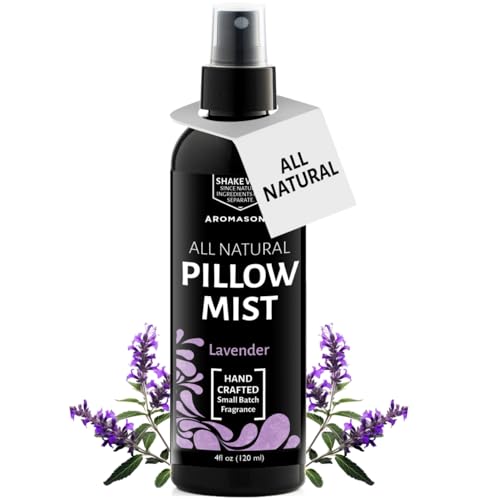
Lavender oil is one of the most popular choices; its calming scent can help reduce anxiety and promote relaxation.
Chamomile oil, known for its soothing properties, can also lull you into a peaceful slumber.
Another great option is bergamot oil, which not only smells delightful but also lowers stress levels.
Frankincense oil can deepen your relaxation, making it easier to drift off.
Lastly, cedarwood oil promotes a sense of tranquility and can aid in maintaining deeper sleep cycles.
Experiment with these oils to find which ones resonate with you, and watch your sleep quality improve.
How to Use Essential Oils in Your Bedtime Routine
Incorporating essential oils into your bedtime routine can enhance the relaxation benefits they offer. Start by selecting oils known for promoting sleep, like lavender or chamomile.
You can add a few drops to a diffuser in your bedroom, filling the space with calming scents. Alternatively, mix essential oils with a carrier oil and massage them onto your temples, wrists, or feet before bed.
Another option is to place a few drops on your pillowcase or bedsheets, allowing the aroma to envelop you as you drift off. Consider creating a bedtime ritual, like a warm bath with essential oils, to signal your body it’s time to wind down.
Consistency is key—make this routine a part of your nightly wind-down.
Potential Risks and Considerations With Essential Oils
While essential oils can enhance your sleep quality, it’s crucial to be aware of potential risks and considerations. Some individuals may experience allergic reactions or skin irritation from certain oils, so patch-testing is a smart move before using them extensively.
Additionally, keep in mind that essential oils can interact with medications or exacerbate existing health conditions. Pregnant or nursing women should consult a healthcare professional before using them.
Moreover, using oils around pets can pose risks, as some oils are toxic to animals.
Lastly, always dilute essential oils properly to avoid overwhelming scents that might disrupt your sleep instead of promoting it. By being mindful of these factors, you can enjoy the benefits while minimizing potential drawbacks.
Conclusion
Incorporating essential oils into your bedtime routine can significantly enhance your sleep quality. By choosing popular oils like lavender or chamomile, you can create a calming atmosphere that soothes your mind and body. Remember to explore different methods of use, whether through diffusion or topical application, to find what works best for you. Just be mindful of any potential risks, and enjoy the journey to better sleep with the natural benefits of essential oils!
Trending Products